

Fuel Prices Rising - How Motorhome Owners Can Cut Costs (2026)
If you've filled up your motorhome recently, you'll already know: diesel prices are climbing fast.
The numbers (as of mid-March 2026): Average UK diesel price is around 155p per litre, up nearly 13p (9%) since 28 February — just 10 days. Petrol has risen to around 139p per litre. The RAC warns that if oil settles around $90 a barrel, diesel could reach 167p per litre in the coming weeks. For a motorhome with a 90-litre tank, that's roughly £140 per fill-up today — and over £150 if diesel hits the RAC's projected level.
The cause is the escalating conflict in the Middle East, which has pushed crude oil above $100 a barrel for the first time since 2022. Concerns about shipping disruptions through the Strait of Hormuz — which carries roughly a fifth of the world's oil supply — are keeping prices elevated.
And there's more on the horizon: the government's temporary 5p-per-litre fuel duty cut expires at the end of August 2026. After that, fuel duty will gradually rise back to pre-2022 levels by March 2027, adding further cost at the pump.
None of this means you need to cancel your trips. But it does mean that being smart about fuel can save you hundreds of pounds over a season. Here are 10 practical ways to cut your motorhome fuel costs without cutting your adventures.
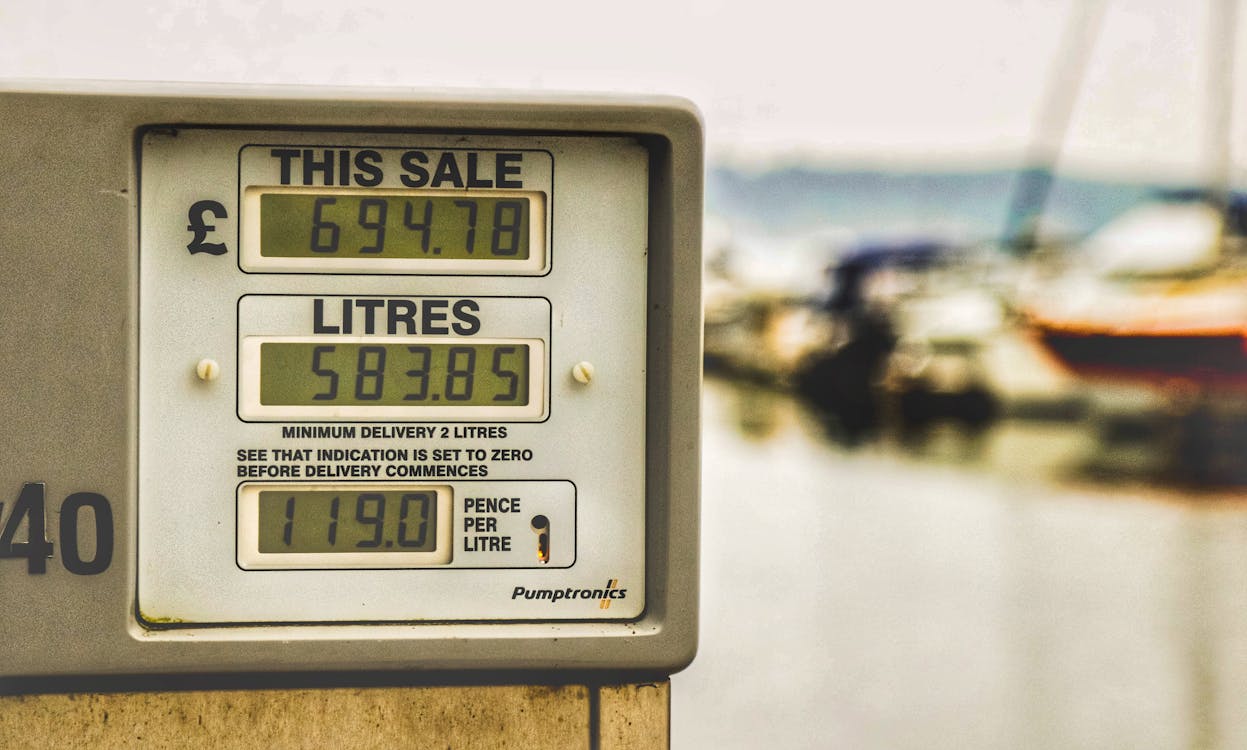
UK fuel prices are climbing fast — but smart planning can save motorhome owners hundreds over a season.
1. Slow Down — Seriously, This Is the Biggest One
This is the single most effective thing you can do, and it costs nothing. Driving your motorhome at 55-60 mph instead of 70 mph can save up to 20% on fuel. That's not a typo — it's physics. Air resistance increases exponentially with speed, and motorhomes have the aerodynamic profile of a brick.
At current diesel prices, dropping from 70mph to 56mph on a 300-mile trip could save you roughly £15-£20 per journey. Over a season of touring, that adds up to hundreds of pounds. Stay in the left lane, set the cruise control, and enjoy the scenery. You're in a motorhome — the whole point is not being in a rush.
2. Travel with an Empty Water Tank
This is a free win that many motorhome owners overlook. A full fresh water tank can weigh 80-100kg, depending on your motorhome. That extra weight burns fuel every mile you drive. Every 100kg of unnecessary weight costs you roughly 2% more in fuel consumption.
Fill up when you arrive at your campsite, not before. And always drain your waste water tank and toilet cassette before driving — you're paying to transport waste if you don't.
Quick maths: A 100-litre water tank weighs 100kg when full. At 2% extra fuel consumption and £140 per tank of diesel, that's roughly £3 per fill-up or £30-40 over a season, for literally doing nothing except turning a tap off before you leave.
3. Check Your Tyre Pressures Before Every Trip
Underinflated tyres create more rolling resistance, which means your engine works harder and burns more fuel. According to research, correctly inflated tyres can improve fuel efficiency by up to 3%. On a motorhome that does 20-25 mpg, that's a noticeable saving.
Check your pressures when the tyres are cold (before driving), and inflate to the manufacturer's recommended PSI — not the maximum written on the tyre sidewall. These are different numbers, and using the wrong one can affect handling and wear.
4. Use a Sat Nav That Routes You Efficiently
This one is often overlooked when people think about fuel savings, but it's significant. A sat nav that sends you down the wrong road, forces you to reverse out of a narrow lane, or takes you on a 20-mile detour because it doesn't know your vehicle's height — that's all wasted diesel.
A dedicated motorhome sat nav calculates routes based on your vehicle's dimensions and avoids low bridges, narrow roads, and weight-restricted routes. The result is fewer wrong turns, fewer unnecessary miles, and less fuel burned getting back on track.
It also lets you choose between the fastest and shortest routes. For motorhomes, the shortest route is often significantly more fuel-efficient than the fastest, especially when the "fast" route involves motorway driving at 70mph.
Motorhome Sat Navs — Smarter Routes, Less Fuel Wasted
⭐ 5-star rated across 680+ Trustpilot reviewsEvery CMNAV motorhome sat nav routes based on your vehicle's exact dimensions — avoiding wrong turns, unnecessary detours, and wasted fuel. Free lifetime map updates included.
Browse Motorhome Sat NavsNot sure which model? Get in touch — we're always happy to help.
5. Compare Fuel Prices Before You Fill Up
Since February 2026, all UK fuel retailers have been required to report their prices within 30 minutes under the government's new Fuel Finder scheme. This means comparison apps are now more accurate than ever.
Prices can vary by 20p or more per litre between stations just a few miles apart. On a 90-litre motorhome tank, that's a difference of up to £18 per fill-up — just for choosing the right forecourt.
Useful apps and websites for price comparison include PetrolPrices.co.uk, the RAC's myRAC app, and Waze (which shows fuel prices along your route). Supermarkets like Asda, Tesco, Sainsbury's, and Morrisons are usually the cheapest.
6. Plan Shorter Hops, Not Fewer Trips
Instead of driving 300 miles to your destination in one go, consider breaking your journey into shorter hops. This might sound counterintuitive, but hear it out.
Shorter daily drives mean you can use scenic A-roads and B-roads instead of motorways. These are free (no toll costs in France or Spain), often shorter in distance, and because you're driving slower, you burn significantly less fuel. You also get to discover places you'd otherwise blast past on the motorway.
In Europe, especially, the network of aires (France), stellplätze (Germany), and wild camping spots means you can stop virtually anywhere for free or very cheaply. A 150-mile day with an overnight stop often costs less in total than a 300-mile motorway dash when you factor in fuel, tolls, and service station prices.
7. Service Your Motorhome Before the Season
A well-maintained engine is a fuel-efficient engine. Before your first trip of the season, make sure you've covered the essentials: oil change using the correct grade, clean or new air filter (a clogged filter alone can reduce efficiency by up to 10%), correctly adjusted brakes (dragging brakes waste huge amounts of fuel), and a coolant system that's working properly so the engine reaches optimal temperature quickly.
A pre-season habitation check and engine service pays for itself in fuel savings alone — not to mention avoiding a breakdown 200 miles from home.
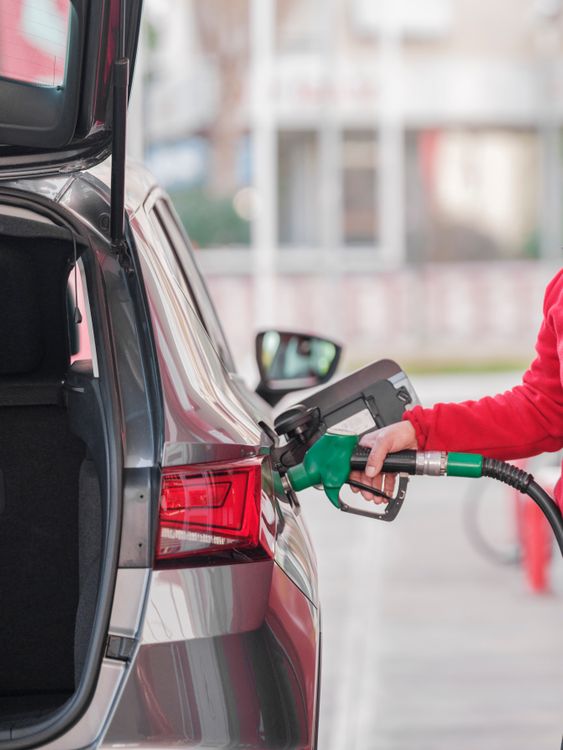
Comparing prices before filling up can save up to £18 per tank — the new Fuel Finder scheme makes it easier than ever.
8. Avoid Peak Travel Times
Sitting in traffic with a diesel engine idling is one of the most expensive ways to go nowhere. A motorhome engine idling for an hour can burn 2-3 litres of diesel — that's £3-5 literally going up in exhaust fumes.
Leave early in the morning or travel midweek to avoid the Friday evening and Saturday morning exodus. If you can be flexible with dates, travelling on a Tuesday or Wednesday can mean clearer roads, cheaper campsite rates, and less fuel burned in stop-start traffic.
9. Use Toll-Free Routes in Europe
If you're taking your motorhome to France, Spain, or Italy this summer, toll costs can be eye-watering — especially for vehicles over 3 metres tall or 3.5 tonnes. The French autoroute from Calais to the south can easily cost £100+ each way in tolls alone, on top of your fuel.
The national roads (routes nationales in France, carreteras nacionales in Spain) are free, often more scenic, and because you're driving slower, you burn less fuel. Yes, it takes longer — but you're on holiday. Use the extra time to stop at local markets, bakeries, and villages along the way. That's what motorhome touring is supposed to be about.
10. Don't Panic — And Don't Panic Buy
Fuel prices are rising, but they're still well below the 2022 peak when diesel briefly approached £2 per litre. The RAC, AA, and Petrol Retailers Association have all confirmed there is no shortage — just a temporary price spike driven by global events.
Panic buying creates queues, which creates the illusion of scarcity, which creates more panic buying. Fill up as normal and use the tips above to offset the increase. A few simple changes to how you drive and plan can easily absorb a 10-15p per litre rise.
Coming up: The government's 5p-per-litre fuel duty cut expires at the end of August 2026. From 1 September, fuel duty will start rising in stages, returning to pre-2022 levels by March 2027. Combined with current price increases, this could mean diesel prices above 170p per litre by the end of 2026. Plan your touring season accordingly — the best time to do your big mileage trips is before September.

Motorhome touring is still one of the most rewarding and cost-effective ways to travel — rising fuel prices don't change that.
The Bottom Line
Motorhome touring is still one of the most cost-effective ways to holiday — you're carrying your accommodation with you, cooking your own food, and exploring at your own pace. Even with diesel at 155p, a two-week touring holiday in a motorhome costs a fraction of hotels and flights for a family.
The key is being smart about it. Slow down, travel light, check your tyres, compare prices, plan efficient routes, and don't waste fuel on wrong turns and unnecessary detours. Small changes add up to big savings over a season.
And if you're still using Google Maps to navigate your motorhome, here's why that might be costing you more than you think.
Safe travels — and cheaper ones.
Frequently Asked Questions
Why are diesel prices rising in March 2026?
The conflict in the Middle East has pushed crude oil above $100 a barrel, the highest since 2022. Concerns about oil shipments through the Strait of Hormuz — which carries roughly 20% of global oil supply — are keeping prices elevated. This feeds directly into UK diesel and petrol pump prices.
When does the fuel duty cut end?
The government's temporary 5p-per-litre fuel duty cut expires at the end of August 2026. Fuel duty will then rise in stages on 1 September 2026, 1 December 2026, and 1 March 2027, returning to the pre-2022 rate of 57.95p per litre. This will add further cost at the pump on top of any oil price changes.
How much does it cost to fill a motorhome in 2026?
It depends on your tank size and fuel type. Most diesel motorhomes have tanks between 70 and 120 litres. At the current average of around 155p per litre, a 90-litre fill costs approximately £140. If diesel reaches 167p as the RAC has warned, the same fill would cost over £150.
What is the most effective way to save fuel in a motorhome?
Reducing your speed is by far the most effective single change. Driving at 56mph instead of 70mph can save up to 20% on fuel. Travelling with an empty water tank, checking tyre pressures, and using a sat nav that avoids unnecessary detours also make a significant difference.
Should I cancel my motorhome trip because of fuel prices?
No. Motorhome touring is still one of the most affordable ways to holiday, even with rising diesel costs. A few simple changes — slower driving, lighter loads, route planning, and price comparison — can easily offset a 10-15p per litre increase. The fuel duty cut remains in place until September, so spring and early summer are the cheapest times to travel.
Leave a comment